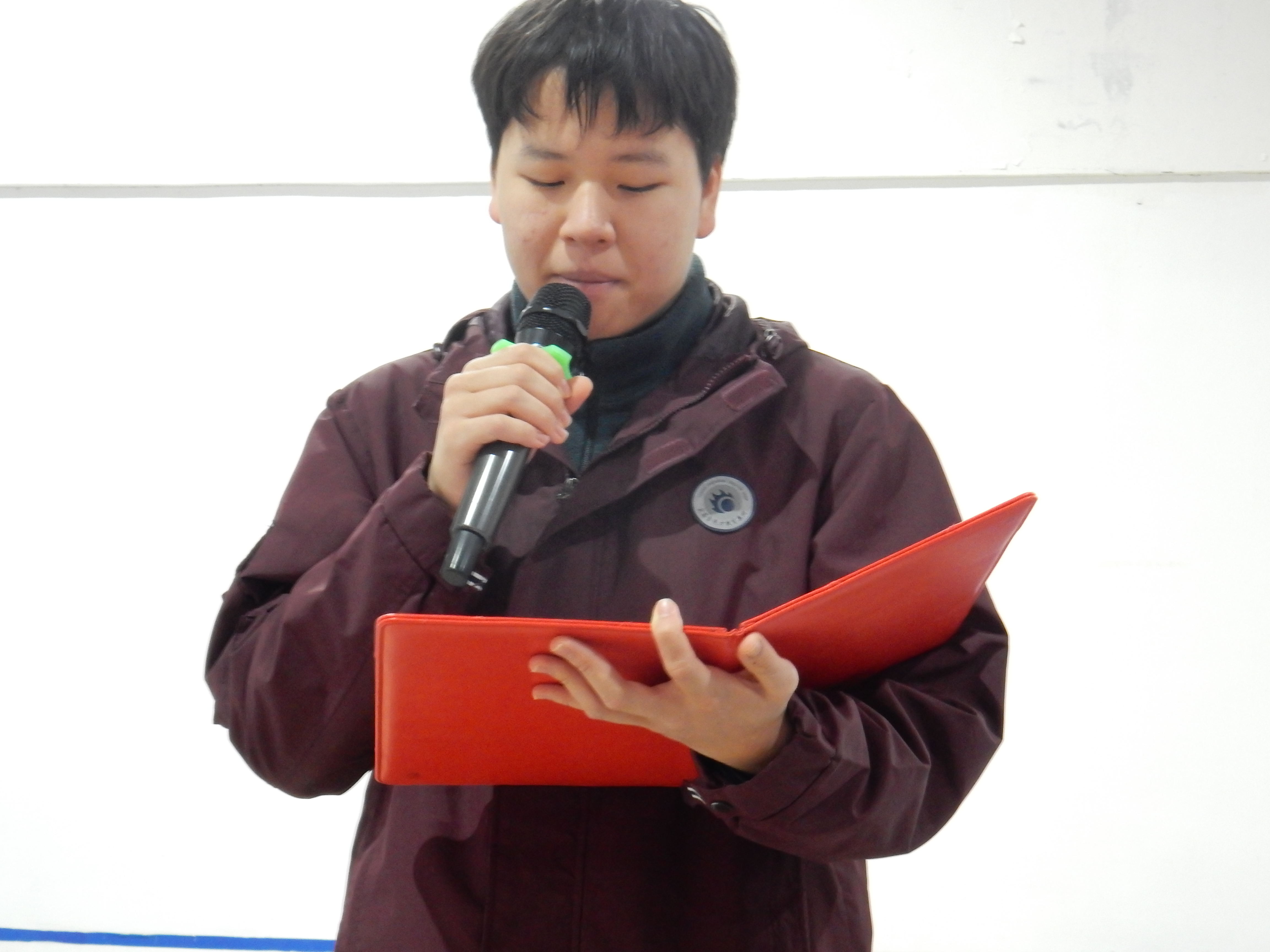
By Louis(张朗歌) from 2401
Good morning, respected teachers and dear fellow students! I'm Louis from 2401.
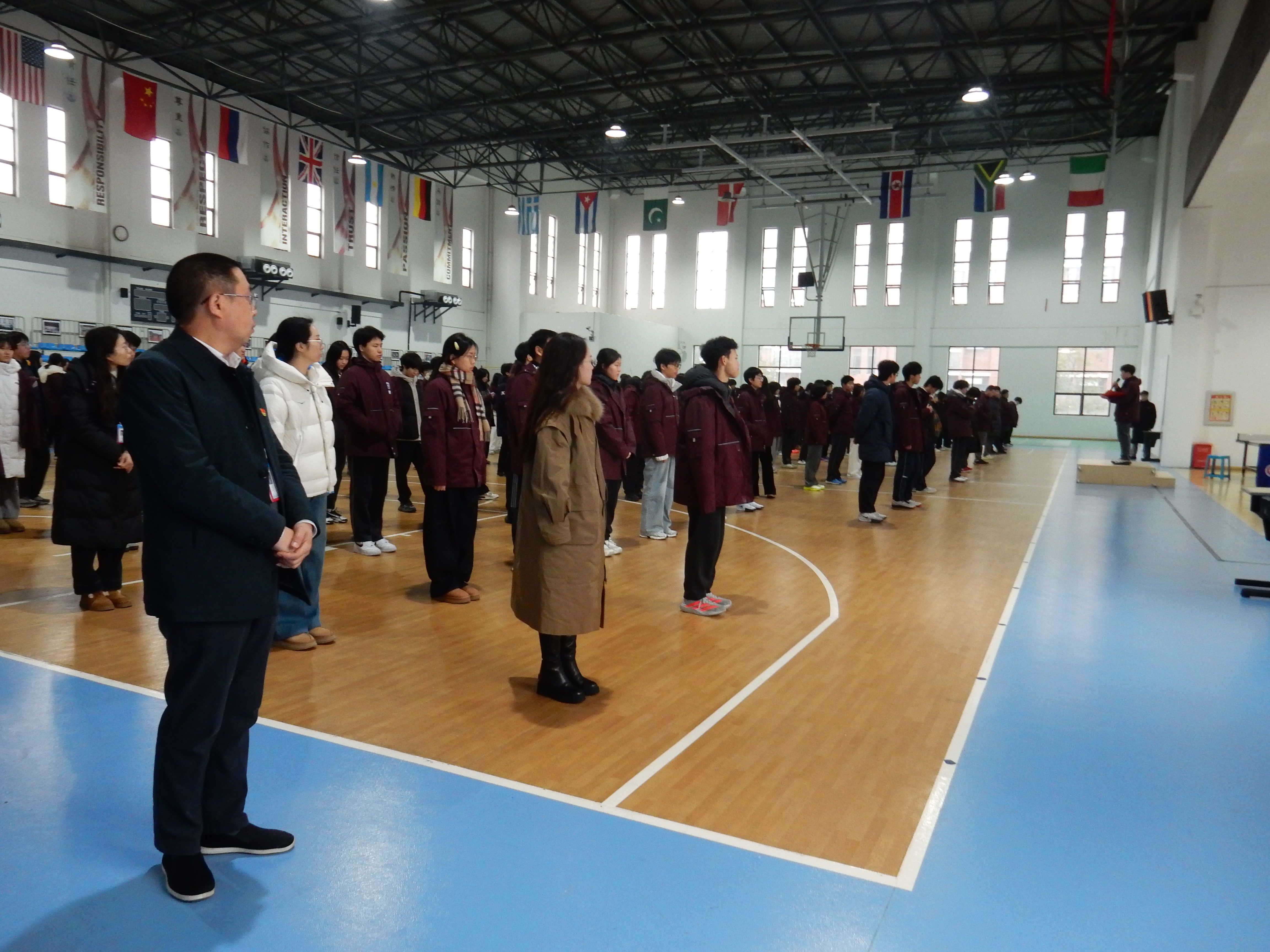
It's an honor to stand here today at our flag-raising ceremony and share my thoughts on the question: Should Students Design Their Own Curriculum?
Let's start with why this matters. Right now, our curriculum is mostly shaped by educators—and while their expertise is invaluable, we students are the ones who live with the results every day. When we have a voice in designing what we learn, magic happens. For example, a student passionate about climate action might push for more lessons on sustainability; someone interested in tech could advocate for coding workshops. This personalized approach makes learning feel like our journey, not just a checklist of tasks. It also builds responsibility: when we choose our own topics, we're more likely to show up, ask questions, and take pride in our progress. Most importantly, our input can make the curriculum feel more relevant—adding topics like mental health literacy or digital citizenship, which matter deeply to our generation but often get overlooked.
But let's be honest: full student control isn't the answer. Teachers and curriculum designers have spent years studying how to build foundational knowledge—skills like math, writing, and critical thinking that we'll need for college and life, even if they don't feel "exciting" right now. If we had free rein, we might skip those essential subjects, leaving ourselves underprepared. There's also the issue of fairness: not all students have the same access to resources or guidance to design a balanced curriculum. And we need structure to ensure everyone meets academic standards, so we're all on a level playing field.
So here's my proposal: let's stop thinking of this as "students vs. teachers" and start thinking of it as a partnership. Schools can create student advisory boards, where we share ideas for new electives or flexible projects. We could have "choice modules" in core subjects, letting us pick topics that align with our interests—like studying environmental science in biology class, or analyzing social media in English. This way, we get the best of both worlds: the wisdom of our teachers, plus the fresh perspective of students who know what it's like to sit in the classroom every day.
As we stand here today, let's remember that our flag represents collaboration and growth. Education isn't something that's done to us—it's something we build together. By working with our teachers to shape our curriculum, we can make learning more meaningful, more engaging, and more ready to prepare us for the world ahead. Let's raise our voices, share our ideas, and build a curriculum that works for everyone.
Thank you!